-

- 林间有风1382195 2021-11-07
前后端不分离的方式

- 0赞 · 0采集
-

- 旅行的癞蛤蟆 2021-05-20
thymeleaf 静态资源配置:

- 0赞 · 0采集
-

- 幕布斯3329201 2021-04-06


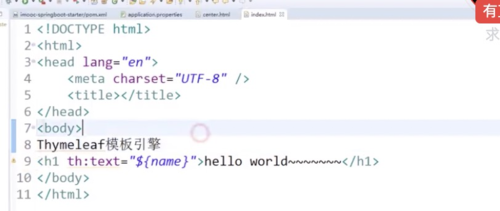

thymeleaf配置
- 0赞 · 0采集
-

- weixin_慕仙7043137 2021-03-14
动静分离,前后端
-
截图0赞 · 0采集
-

- 慕设计3235579 2020-07-21
配置thymeleaf
-
截图0赞 · 0采集
-

- 慕虎5111946 2020-05-04
- 整合thymleaf模板 pom文件引入内容
-
截图0赞 · 0采集
-

- 学习学习我爱学习啊 2019-11-14
thymeleaf静态资源配置


-
截图0赞 · 0采集
-

- 大鹏111 2019-11-12
SpringBoot整合thymeleaf模板引擎
步骤1:pom文件中引入它的依赖。

步骤2:application.properties配置thymeleaf相关配置。

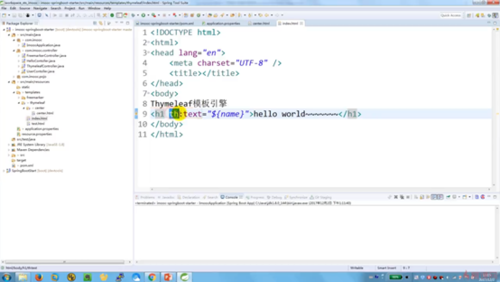
扩展:th:,这个是thymeleaf的标签写法(这种方式适合做前后端分离的模式,这个文件如果直接拿到左面去展开,它不会加载这个thymeleaf标签的功能,也就是前端页面写好,后端人员只需要在th:text后编写即可)。

- 0赞 · 0采集
-

- 好雨rain 2019-11-11
依赖:spring-boot-starter-thymeleaf
application.properties,静态资源配置
40%
-
截图0赞 · 0采集
-

- 请叫我小生 2019-10-17
如果要用spring-boot-starter-parent2.0之后的版本
spring.thymeleaf.content-type
改为
spring.thymeleaf.servlet.content-type=text/html
- 1赞 · 0采集
-

- 罗小黑003 2019-09-06
#thymeleaf 静态资源配置
spring.thymeleaf.prefix=classpath:/templates
spring.thymeleaf.suffix=.html
spring.thymeleaf.mode=HTML5
spring.thymeleaf.encoding=UTF-8
spring.thymeleaf.content-type=text/html
#开发时关闭缓存 线上改为true
spring.thymeleaf.cache=false
- 1赞 · 0采集
-

- 一笔一墨 2019-05-04
thymeleaf控制器
-
截图0赞 · 0采集
-

- 休息一下马上回来 2019-02-17
适合动静分离
- 0赞 · 0采集
-

- 人生就是要好好学习 2019-01-19
thymeleaf动态模板的相关配置:

- 1赞 · 0采集
-

- hanhua 2019-01-10
thymeleaf 静态资源配置
-
截图0赞 · 1采集
-

- My_alata 2018-12-19
2、 SpringBoot整合thymeleaf
①添加依赖:

②添加配置:

③在resources/templates下创建Thymeleaf静态页面(html格式文件)

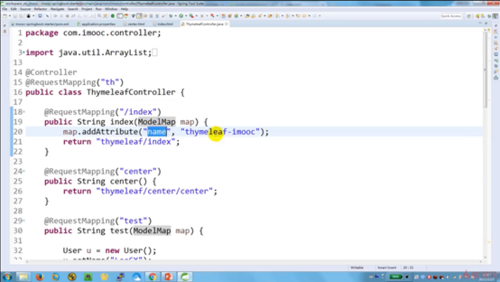
④添加Controller,在Controller中可以通过ModeMap传递数据
- 2赞 · 0采集
-

- 30K必胜 2018-11-19
ThymeleafController 类
-
截图0赞 · 0采集
-
- 30K必胜 2018-11-19
Thymeleaf 模板引擎 页面 动态加载内容
-
截图0赞 · 0采集
-
- 30K必胜 2018-11-19
thymeleaf 静态资源配置
-
截图0赞 · 0采集
-
- 30K必胜 2018-11-19
thymeleaf 引入依赖
-
截图0赞 · 0采集
-

- qq_麦田守望者_qrNSU3 2018-09-15
SpringBoot整合thymeleaf:
1.添加依赖:

2.添加配置:

3.编写Controller,可以通过ModelMap传递数据:

4.添加Thymeleaf静态页面,后缀就是html,可以通过th:text="${}"设置文本(会覆盖原来的文本),方便前后端分离:

5.注意:配置前缀时如果有多级文件夹,要用“.”分隔,类似这样
spring.thymeleaf.prefix=classpath:/templates.thymeleaf
- 1赞 · 0采集
-

- likeflower950 2018-07-01
thymeleaf 模板配置
-
截图1赞 · 2采集
-

- 慕尼黑5307359 2018-05-09
thymeleaf模板引擎
-
截图0赞 · 0采集
-

- wanglj7525 2018-05-04
thymeleaf配置
-
截图0赞 · 0采集
-

- wlwzobc 2018-05-03
thymeleaf 配置
-
截图0赞 · 0采集
-

- 慕运维0077557 2018-04-13
- 测试
-
截图0赞 · 0采集
-

- 月是天心不愈伤 2018-03-28
thymeleaf静态资源配置
-
截图0赞 · 0采集
-

- 慕仰9559744 2018-03-23
thymeleaf config segment
-
截图0赞 · 0采集
-

- joy_2016 2018-03-22
- thymeleaf在application.properties中的配置
-
截图0赞 · 0采集
-
- joy_2016 2018-03-22
- thymeleaf在pom中的依赖引入
-
截图0赞 · 0采集
